

Search
Categories
Recent Posts


-
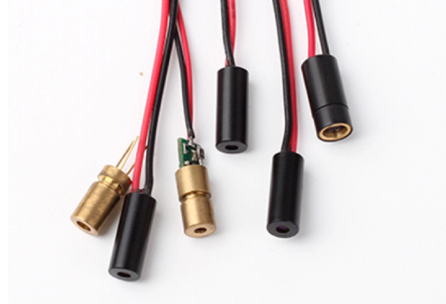
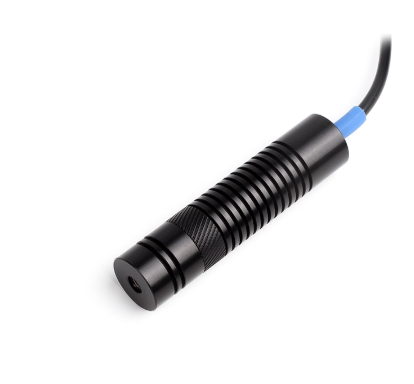
 A laser module may accept a DC supply and produce a dot or line, yet that simple interface hides several connected functions. The source generates light, the driver controls its electrical operating conditions, the optics shape the output, and the housing supports alignment and heat transfer.News
-
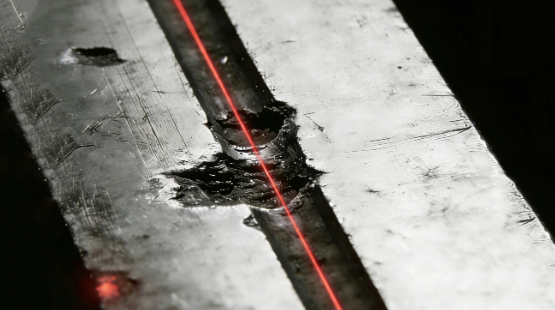
 A projected line can look sharp to an operator and still produce unreliable camera measurements. The center may saturate, the ends may fade, or the line may broaden when a taller part enters the field of view.News
-
 A machine that cuts sheet metal and a system that checks a component’s height may both use lasers, but they solve very different problems. Buying by the word “laser” alone can therefore lead to the wrong equipment category before individual specifications are even considered.News
-
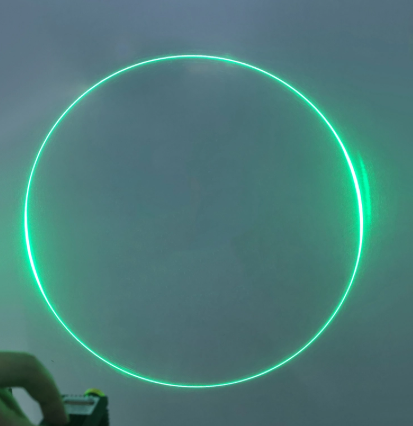
 A projected laser line can help an operator position a part, help a camera capture a surface profile, or supply a reference inside a larger optical system. These uses can look similar from outside the machine, but they require different specifications and supporting components.News
Insert here your custom code