Product Overview
As a premier manufacturer and global supplier of precision optical components, we present the Powell Line Lens, engineered for advanced laser line generation. Designed to transform standard beams into highly uniform lines, this element is essential for high-end measurement systems.
Premium N-SF6 glass substrate construction
Flat-top uniform beam profile generation
Customizable fan angles from 1° to 90°
Product Description
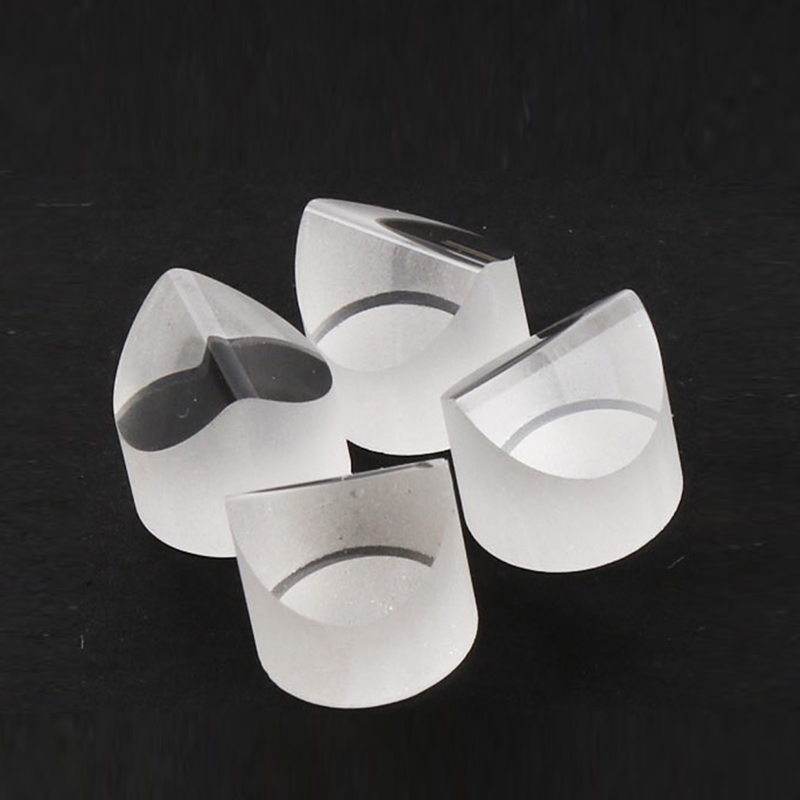
The Powell Line Lens represents the pinnacle of laser beam shaping technology, meticulously crafted to eliminate the central hot spots and fading edges characteristic of traditional cylindrical lenses. When you examine this lens, you will notice the flawlessly polished N-SF6 high-refractive-index glass, shaped with a complex aspheric cylindrical curve at its apex. This exacting geometry acts as an optical prism that systematically redistributes incident light energy, projecting a crisp, razor-sharp flat-top line. The physical profile feels robust yet precisely scaled, available in standard cylindrical diameters or specialized square cross-sections that provide a tactile, physical reference edge for flawless alignment. By integrating this advanced optical component into your systems, you dramatically enhance the signal-to-noise ratio and measurement accuracy of your equipment. It is not merely a lens; it is a transformative element that ensures your laser scanning, 3D profiling, and optical inspection tools operate with absolute consistency. The sophisticated broadband anti-reflective coating applied to the surface exhibits a subtle, immaculate hue under light, guaranteeing maximum transmission and minimizing disruptive ghosting.
Product Specifications
Our optical engineering team has established rigorous technical parameters to ensure these lenses meet the most demanding industrial requirements. The following specifications detail the precise physical and optical characteristics of the Powell Line Lens. Every metric, from the specific N-SF6 substrate to the meticulously calculated refractive index, is controlled to guarantee optimal performance in your laser assemblies.
Specification | Detail |
|---|
Product Name | Powell Lens / Laser Line Generator Lens |
Substrate Material | N-SF6 high refractive index glass |
Surface Figure | Aspheric Cylindrical / Acylindric curve |
Fan Angle | 1° - 90° (Standard specs include 30°, 45°, 60°, 75°, etc.) |
Applicable Incident Beam Diameter | Typically Ø0.8 mm (1/e²) |
AR Coating | 400-700 nm (Visible) or 450-900 nm (VIS-NIR) broadband AR coating |
Outer Diameter | Standard 6 mm, 8.9 mm, 9 mm or square cross-section |
Light Intensity Uniformity | Overall or central 80% area intensity variation < 30% (Flat-top beam profile) |
Refractive Index | Approx. 1.805 (at 587.6 nm) |
Key Features & Highlights
Achieving flawless optical performance requires components that go beyond basic light manipulation. The Powell Line Lens is engineered to resolve the most critical challenges in laser projection, offering unparalleled energy distribution and structural adaptability. These features are designed to elevate your system's reliability, reducing the need for continuous calibration and minimizing optical loss.
Exceptional Energy Distribution: By utilizing an advanced acylindric curve, the lens completely eradicates Gaussian beam limitations, delivering a uniform flat-top profile that ensures every millimeter of your projected line maintains consistent brightness.
Optimized Transmission: Treated with a specialized broadband AR coating covering 400-900 nm, the lens achieves a surface reflectance of less than 2%, maximizing optical throughput and preserving the integrity of your laser source.
Versatile Integration Geometries: Beyond standard 6 mm and 9 mm cylindrical formats, the availability of square cross-sections provides an immediate, tangible reference plane. This dramatically simplifies the alignment process during complex optical assembly.
Thermal and Wavelength Stability: The premium N-SF6 glass substrate maintains structural and optical integrity across varying environments, ensuring that temperature-induced wavelength shifts in diode lasers do not compromise line uniformity.
Comprehensive Optical Capabilities
Understanding the multidimensional advantages of the Powell Line Lens is crucial for optimizing your optical instrument designs. Each aspect of this lens has been refined to address specific technical bottlenecks encountered in high-precision laser targeting and scanning.
Beam Shaping & Uniformity: Breaking the limitations of traditional cylindrical lenses that produce a bright center and faded edges, this lens redistributes energy evenly. It generates a highly consistent flat-top straight line, eliminating central hot spots and significantly boosting the signal-to-noise ratio for machine vision and metrology.
Fan Angle & Beam Compatibility: Offering a diverse range of fan angles from 1° to 90°, the lens is precisely optimized for specific Gaussian input beam diameters, such as Ø0.8 mm. This guarantees the projection of a sharp, straight laser line at varying working distances to meet diverse field-of-view requirements.
Material & Coating Excellence: Manufactured from premium N-SF6 high-refractive-index glass and enhanced with a broadband AR coating for visible to near-infrared spectrums (400-900 nm). This combination effectively slashes surface reflection losses to under 2%, maximizing beam transmittance and energy efficiency.
Source Compatibility: Highly insensitive to input wavelength variations, making it the perfect match for semiconductor diode lasers. Even if the laser experiences wavelength drifts due to temperature changes or individual diode variances, the lens maintains steadfast intensity uniformity, drastically reducing your component screening costs.
Form Factor & Alignment: Available in standard cylindrical outer diameters like 6mm, 8.9mm, and 9mm, alongside a cubed design with a square output face. The square cross-section serves as an exceptional physical reference for alignment, facilitating high-precision cementing and integration into optomechanical mounts or OEM equipment.
Customization & OEM Capabilities: We support deep customization tailored to specific laser diode beam profiles, non-standard fan angles, and unique packaging dimensions. This flexibility perfectly addresses the specialized integration demands for volume production in medical instrumentation and industrial inspection equipment.
Core Applications: Engineered for highly demanding environments, this lens is a critical component for 3D contour scanning, defect detection, flow cytometry, laser alignment, architectural surveying, and high-end laser printing, serving as the core element that elevates overall system accuracy.
Why Choose Us
Selecting the right optical manufacturing partner is just as critical as the components themselves. As a dedicated manufacturer and trusted global supplier, we provide more than just optical parts; we deliver comprehensive optical solutions engineered for scale and precision. Our production facilities are optimized to support high-volume manufacturing while maintaining the strictest quality control tolerances on every single lens.
Uncompromising Quality Control: Every lens undergoes rigorous interferometric testing to verify surface figure accuracy and beam uniformity, ensuring that large-scale deliveries maintain absolute consistency from the first unit to the thousandth.
Direct Manufacturer Advantage: By controlling the entire fabrication process from raw N-SF6 glass shaping to final AR coating, we eliminate intermediary delays, offering streamlined procurement cycles and highly competitive pricing structures for high-volume integrators.
Dedicated Engineering Support: Our team of optical engineers collaborates closely with your design department, providing expert guidance on beam compatibility, mounting geometries, and custom fan angle calculations to perfectly match your proprietary laser systems.
Scalable Production Capacity: Whether you require a specialized prototype run for a new medical device or continuous, high-volume deliveries for industrial scanner assembly lines, our agile manufacturing infrastructure adapts seamlessly to your production schedules.
Frequently Asked Questions (FAQ)
To assist your engineering and procurement teams in making informed decisions, we have compiled detailed answers to the most technical inquiries regarding our laser line generator lenses. These insights address common integration and performance variables.
How does a Powell Lens differ from a standard cylindrical lens?
Unlike standard cylindrical lenses that simply stretch a beam into a line with a Gaussian intensity profile (bright center, dark edges), our lenses feature a complex aspheric curve. This specific geometry redistributes the optical energy, resulting in a flat-top line with highly uniform intensity across the entire projected span.
Can the fan angle be customized for specific working distances?
Yes, while we offer standard fan angles ranging from 1° to 90° (including 30°, 45°, 60°, and 75°), our manufacturing capabilities allow for precise customization. We can engineer the apex curve to achieve a specific fan angle optimized for your exact working distance and required field of view.
Why is an input beam diameter of Ø0.8 mm typically specified?
The aspheric curve of the lens is mathematically optimized for a specific input Gaussian beam size to achieve the best possible uniformity. An input diameter of Ø0.8 mm (at 1/e²) is a highly common standard for diode lasers, ensuring that the energy redistribution process functions exactly as designed without introducing edge artifacts.
How does the square cross-section design benefit system integration?
The square cross-section provides a flat, physical reference plane that aligns perfectly with the projected laser line. This allows assembly technicians to use mechanical referencing against optomechanical mounts, significantly reducing alignment time and improving the repeatability of high-volume OEM integrations.
Is the lens performance affected by temperature-induced wavelength shifts in diode lasers?
No, one of the primary advantages of this design is its wavelength insensitivity. Because the beam shaping relies on the physical geometry of the high-index N-SF6 glass rather than diffractive properties, temperature-induced wavelength drifts in your laser source will not degrade the line uniformity or intensity distribution.


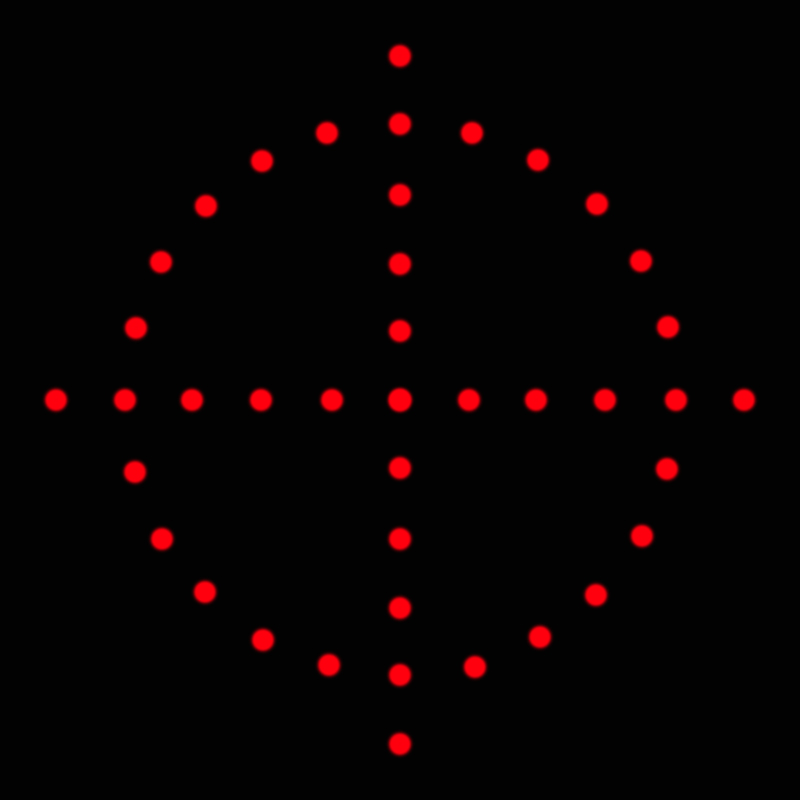 Line arrays, dot grids, crosshairs, circles, ideal for 3D & alignment. OEM/wholesale.Precision-engineered Diffractive Optical Elements (DOEs) for generating line arrays, dot grids, crosshairs, and circles, specifically designed for high-accuracy 3D alignment and machine vision applications. These elements offer customizable pattern geometries and are available for OEM and wholesale supply.
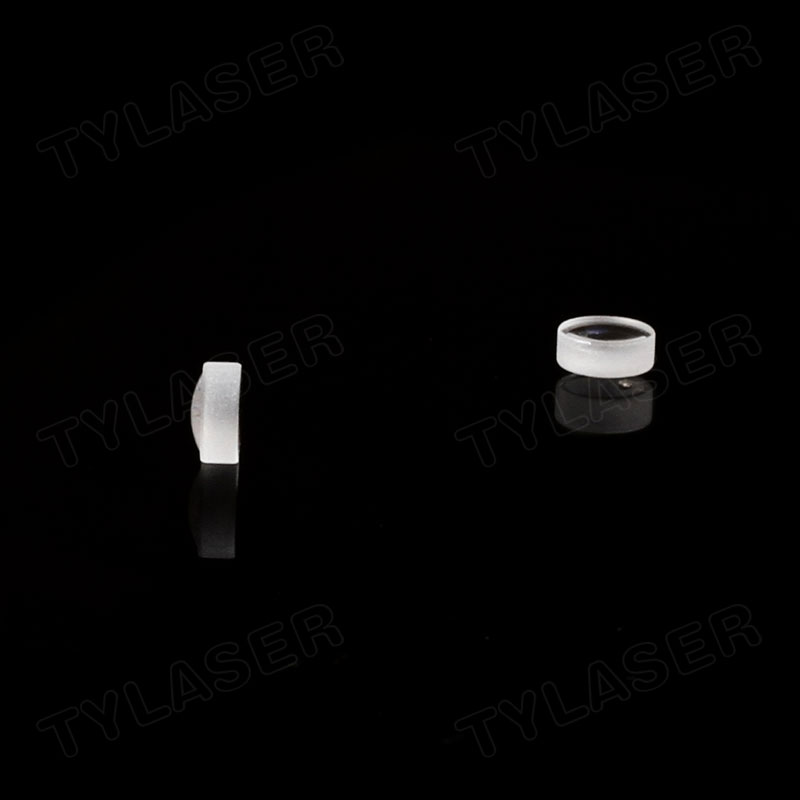 1.5–10.5mm, NA 0.15–0.64, high transmission, low aberration, ideal for laser diode collimationThis high-performance Aspheric Collimator Lens series is engineered for precision laser diode collimation, delivering high transmission and low aberration across a broad range of optical specifications. Designed to maximize beam quality and system efficiency, these lenses offer a versatile solution for demanding photonic applications.
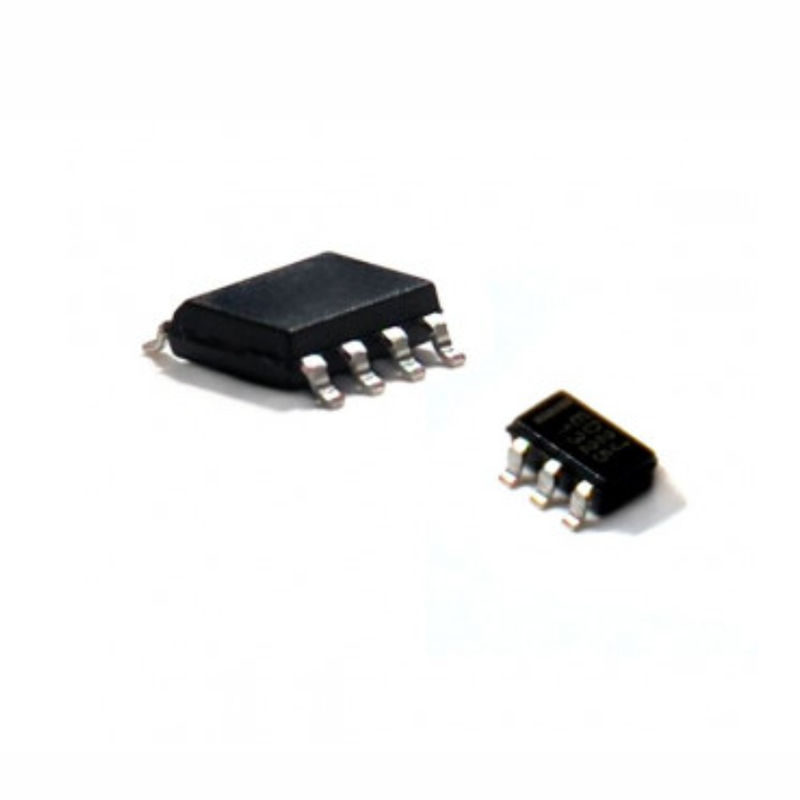 High precision, efficient, with protection features, ideal for portable laser devices.This high-precision Laser Driver IC series delivers programmable, efficient current control for portable and industrial laser diode applications, integrating essential protection features such as thermal shutdown, soft-start, and reverse polarity protection. Designed for both common cathode and common anode configurations, these drivers support APC and ACC operating modes with expandable current capabilities via external power transistors.
