Product Overview
As a premier manufacturer and global supplier of advanced optical components, we provide high-precision Diffractive Optical Elements designed for demanding industrial applications. These components seamlessly manipulate laser beams to achieve complex intensity profiles, offering unparalleled efficiency for bulk procurement and large-scale integration.
Engineered for extreme precision and high laser damage thresholds.
Available in diverse substrates from fused silica to zinc selenide.
Optimized for high-volume manufacturing and seamless system integration.
Product Description
Step into the future of laser beam manipulation with our meticulously engineered Diffractive Optical Elements. Crafted from premium-grade substrates like pristine fused silica and robust zinc selenide, each element boasts a sleek, flawless surface that belies the incredibly complex micro-structures etched into its profile. When you handle one of these components, you are interacting with sub-nanometer surface roughness and absolute structural integrity designed to withstand the most rigorous industrial environments. The physical craftsmanship translates directly into flawless optical performance, emitting no audible scatter or thermal distortion even under continuous high-power laser irradiation.
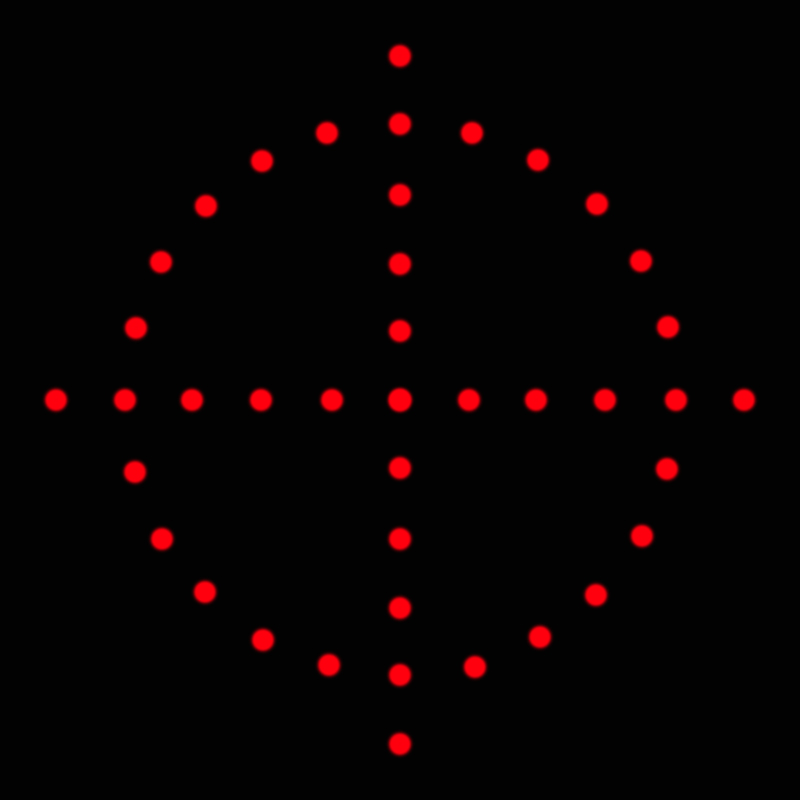
By manipulating the phase of the incident light through precisely calculated microscopic steps, these elements transform standard Gaussian beams into perfectly uniform top-hat profiles, precise dot arrays, or intricate vortex patterns. This eliminates the need for bulky, multi-lens refractive assemblies, fundamentally resolving the spatial constraints and alignment challenges that engineers face in modern optical system design. Your laser systems become significantly lighter, exponentially more reliable, and capable of executing highly sophisticated material processing or sensing tasks with zero compromise on accuracy. Whether integrated into a high-speed cutting head or a delicate diagnostic device, the seamless integration of our optical elements ensures your equipment operates at peak efficiency, drastically reducing maintenance downtime and elevating your overall operational output.
Product Specifications
Wavelength Range | EUV, DUV, UV, Visible, NIR, MIR, LWIR (10 nm - 2 μm and above) |
|---|
Substrate Materials | Fused Silica, Si, Ge, ZnSe, Sapphire, CaF2, Polymer/Plastic, High refractive index glass |
|---|
Substrate Dimensions | 0.5 mm - 300 mm |
|---|
Substrate Thickness | 1 mm - 50 mm |
|---|
Coating Options | Dielectric, Metallic |
|---|
DOE Types | Beam Splitters, Beam Shapers/Top-Hat, Diffusers/Homogenizers, Axicons, Vortex Phase Plates, Diffraction Gratings, Fresnel Zone Plates |
|---|
Surface Profile | Binary, Multilevel, Continuous profile |
|---|
Optical Characteristics | High efficiency, Low zero order, Sub-nanometer roughness |
|---|
Laser Damage Threshold (LDT) | High damage threshold (comparable to the selected substrate material) |
|---|
Key Features & Highlights
Unlocking unprecedented control over light propagation, our optical elements are engineered to deliver transformative benefits for your most demanding projects. By prioritizing structural perfection and material purity, these components ensure that your laser systems operate with maximum spatial efficiency and minimal energy loss. The integration of these advanced micro-structures allows engineers to bypass the physical limitations of traditional optics, achieving complex beam shaping with a single, ultra-thin component.
Exceptional Energy Utilization: Maximizes the diffraction efficiency while actively suppressing zero-order leakage, ensuring that the maximum amount of laser energy is directed precisely where it is needed.
Rugged Durability: Exhibits an exceptionally high laser damage threshold, maintaining structural and optical stability even when subjected to intense, continuous-wave or ultra-fast pulsed laser environments.
Thermal Stability: Manufactured from materials chosen for their low thermal expansion coefficients, preventing focal shift and maintaining beam integrity during prolonged operational cycles.
Space-Saving Architecture: The ultra-thin, flat-planar design drastically reduces the footprint of your optical assemblies, freeing up valuable space within your equipment housing.
Core Functions and Product Matrix
Navigating the complexities of modern optical design requires versatile components capable of executing highly specific tasks. Our comprehensive portfolio provides an all-encompassing suite of beam control solutions designed to elevate your system capabilities. By precisely altering the phase of the incident light, these components seamlessly convert standard Gaussian profiles into virtually any desired intensity distribution, solving the critical challenge of uneven energy application in advanced processing tasks.
Precision Beam Splitting: Effortlessly divide a single input beam into one-dimensional or two-dimensional arrays with perfect uniformity, ideal for parallel processing applications.
Advanced Beam Shaping: Generate flawless flat-top (top-hat) or precise ring-shaped profiles to ensure consistent energy delivery across the entire target area.
Uniform Homogenization: Eliminate hot spots and intensity spikes, creating a perfectly smooth and uniform light field for critical illumination and exposure processes.
Complex Focal Generation: Produce multi-focus arrays or intricate vortex patterns, enabling sophisticated three-dimensional material manipulation and advanced optical trapping.
Material Versatility and Wavelength Adaptability
Different applications demand highly specific material properties to ensure optimal transmission and longevity. We meticulously select and process a diverse array of premium substrates to match the exact wavelength requirements of your laser systems. From the deep ultraviolet to the far infrared, our components are crafted to eliminate absorption losses and prevent thermal degradation, ensuring your equipment maintains peak performance across its entire lifecycle.
Broad Spectrum Coverage: Fully compatible with wavelengths ranging from Extreme Ultraviolet (EUV at 193nm) all the way to Long-Wave Infrared (LWIR).
Premium Fused Silica & Sapphire: Ideal for high-power UV and visible spectrum applications, offering pristine clarity and exceptional resistance to thermal shock.
Specialized Infrared Substrates: Utilizing high-grade Zinc Selenide (ZnSe), Silicon (Si), and Germanium (Ge) to guarantee maximum transmission in complex IR and thermal imaging systems.
Versatile Polymer Options: Offering lightweight, cost-effective polymer and plastic substrates for applications requiring rapid scalability and specific refractive properties.
Superior Optical Performance and Quality Control
The true value of an optical component lies in its flawless execution and reliability under pressure. Utilizing state-of-the-art micro-fabrication and grayscale lithography techniques, we achieve sub-nanometer surface roughness that defines industry-leading quality. This rigorous attention to microscopic detail translates into tangible operational benefits, drastically reducing energy waste and protecting your sensitive downstream components from stray light damage.
Sub-Nanometer Precision: Advanced lithographic processing ensures ultra-smooth surface profiles, minimizing unwanted scatter and enhancing overall transmission.
Maximized Diffraction Efficiency: Engineered to channel light flawlessly into the desired diffraction orders, significantly boosting the functional output of your laser source.
Suppressed Zero-Order Output: Meticulous phase depth control keeps zero-order diffraction rates exceptionally low (typically below one percent), preventing central hot spots that could ruin a workpiece.
Industrial-Grade LDT: Boasts a Laser Damage Threshold equivalent to the raw substrate material itself, providing absolute peace of mind when integrated into high-wattage industrial laser systems.
Flexible Customization and Manufacturing Capabilities
Off-the-shelf solutions often fall short of meeting the rigorous demands of specialized industrial machinery. We bridge this gap by offering an end-to-end manufacturing ecosystem, transforming your conceptual optical designs into tangible, high-performance components. Whether you require a unique surface profile or a specific dimensional footprint, our production facilities are optimized to deliver exact specifications with uncompromising consistency, ensuring your supply chain remains robust and responsive.
End-to-End Development: Comprehensive support from initial optical calculation and conceptual design through to rapid prototyping and full-scale volume production.
Advanced Surface Profiling: Capable of manufacturing binary, multi-level, or fully continuous surface profiles tailored to your exact phase modulation requirements.
Scalable Dimensional Range: Accommodating an incredibly wide size spectrum, from ultra-compact 0.5mm micro-optics to massive 300mm large-format substrates.
Single and Dual-Sided Structuring: Offering complex micro-structuring on both sides of the substrate to integrate multiple optical functions into a single, cohesive unit.
System Integration and Lightweight Advantages
The modern trend in optical engineering is the relentless pursuit of miniaturization without sacrificing performance. Our diffractive elements are the ultimate solution for engineers looking to streamline complex optical trains. By condensing the functionality of multiple bulky refractive lenses into a single, ultra-thin planar surface, we empower you to radically redesign your equipment. This not only reduces the physical footprint of your machinery but also eliminates the tedious alignment procedures associated with multi-lens setups.
Ultra-Thin Architecture: Replaces heavy, spherical lens assemblies with a flat, lightweight component, drastically reducing the overall payload of moving optical heads.
Multi-Functional Integration: Combines beam splitting, shaping, and focusing capabilities into one single surface, simplifying your bill of materials and assembly process.
Enhanced Mechanical Stability: Fewer optical components mean fewer points of failure and less susceptibility to environmental vibrations, ensuring long-term alignment stability.
Cost-Effective Streamlining: By reducing the number of required optical elements and simplifying the mechanical housing, overall system manufacturing and maintenance costs are significantly lowered.
Cutting-Edge Industry Applications
Precision light control is the invisible engine driving today's most advanced technological sectors. Our diffractive components are trusted by industry leaders to empower high-stakes applications where accuracy is non-negotiable. By ensuring that laser energy is delivered with absolute spatial perfection, these elements directly enhance the resolution, speed, and reliability of your end products, giving you a definitive edge in highly competitive technological markets.
Advanced Laser Material Processing: Essential for high-precision cutting, deep-penetration welding, and micro-drilling, ensuring clean edges and minimal heat-affected zones.
Next-Generation LIDAR & 3D Sensing: Enables highly accurate Time-of-Flight measurements and structured light projection for autonomous vehicles and facial recognition systems.
Semiconductor Wafer Inspection: Provides the flawless illumination required to detect sub-micron defects during the critical stages of microchip fabrication.
Medical and Aesthetic Lasers: Ensures perfectly uniform energy distribution for safe, predictable, and highly effective dermatological treatments and surgical procedures.
High-Speed Optical Communications: Facilitates efficient beam multiplexing and routing, increasing the bandwidth and reliability of complex fiber-optic networks.
Why Choose Us
Securing a reliable source for critical optical components is paramount to maintaining your competitive advantage and production schedules. As a dedicated manufacturer and global supplier, we do more than just fabricate optics; we engineer reliability into every facet of our partnership. Our state-of-the-art production facilities are governed by stringent quality assurance protocols, ensuring that the first prototype performs exactly like the ten-thousandth unit. We understand the complex demands of large-scale procurement and are committed to providing seamless, scalable solutions that drive your business forward.
Unwavering Quality Assurance: Every single element undergoes rigorous metrology and interferometric testing to guarantee adherence to your strictest tolerances.
Robust Supply Chain: Optimized inventory management and scalable production lines ensure on-time delivery, protecting your manufacturing timelines from disruptive delays.
Expert Engineering Support: Direct access to our team of veteran optical engineers for collaborative problem-solving, custom design optimization, and rapid prototyping.
Global Logistics Expertise: Proven experience in securely packaging and shipping highly sensitive optical components to facilities worldwide, ensuring they arrive in pristine condition.
Frequently Asked Questions (FAQ)
How does a diffractive optical element differ from a standard refractive lens?
Unlike standard refractive lenses that rely on the bulk curvature of the glass to bend light, diffractive elements utilize microscopic surface relief patterns to alter the phase of the light. This allows for the creation of highly complex beam shapes—such as perfect flat-top profiles or intricate dot arrays—using a completely flat, ultra-thin substrate, which is physically impossible to achieve with a single traditional convex or concave lens.
Can these components withstand high-power industrial laser environments?
Absolutely. Our components are manufactured from premium substrates like fused silica and sapphire, and feature an industrial-grade Laser Damage Threshold (LDT) that matches the raw material itself. Because the micro-structures are etched directly into the substrate without the need for delicate absorptive coatings, they exhibit exceptional thermal stability and resistance to laser-induced damage, even under continuous high-wattage operation.
What is the typical diffraction efficiency, and how is zero-order leakage managed?
Through advanced grayscale lithography and precise etch-depth control, we consistently achieve extremely high diffraction efficiencies tailored to your specific design profile. Zero-order leakage, which is the undiffracted portion of the beam that passes straight through, is rigorously suppressed. It is typically kept well below one percent, ensuring that the maximum amount of energy is channeled exactly into your desired functional pattern without creating dangerous central hot spots.
What substrate material should I select for an application operating in the Long-Wave Infrared (LWIR) spectrum?
For LWIR applications, we highly recommend utilizing substrates such as Zinc Selenide (ZnSe) or Germanium (Ge). These materials offer superior transmission characteristics in the far-infrared spectrum, drastically minimizing absorption losses and preventing thermal lensing effects when integrated with high-power CO2 lasers or advanced thermal imaging systems.
Do you support custom surface profiles for highly specific beam shaping requirements?
Yes, we specialize in translating unique optical requirements into physical components. Whether you need a binary, multilevel, or fully continuous surface profile, our engineering team will work closely with you to calculate the precise phase map required. We then utilize our advanced micro-fabrication facilities to produce an element that perfectly matches your exact specifications, scaling seamlessly from prototype to full volume production.



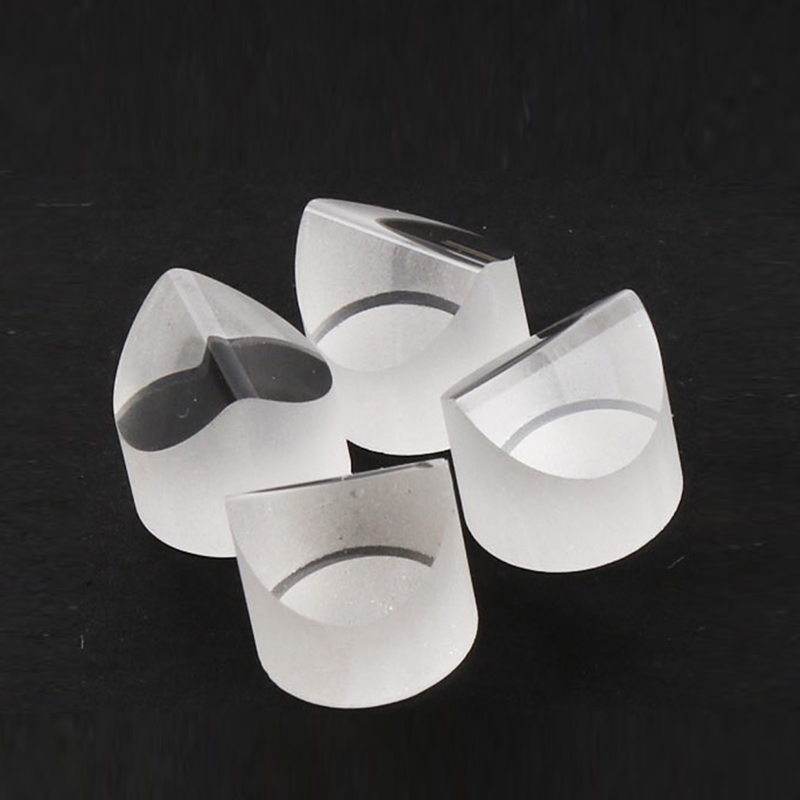 High-precision Powell lens, ultra-straight line, low intensity ripple, excellent line uniformity, OEM/ODMThe Powell Line Lens is a high-precision optical component engineered to generate ultra-straight laser lines with exceptional uniformity. It minimizes intensity ripple and ensures consistent line quality, making it ideal for machine vision, 3D scanning, and alignment applications. Available with OEM/ODM customization to meet specific project requirements.
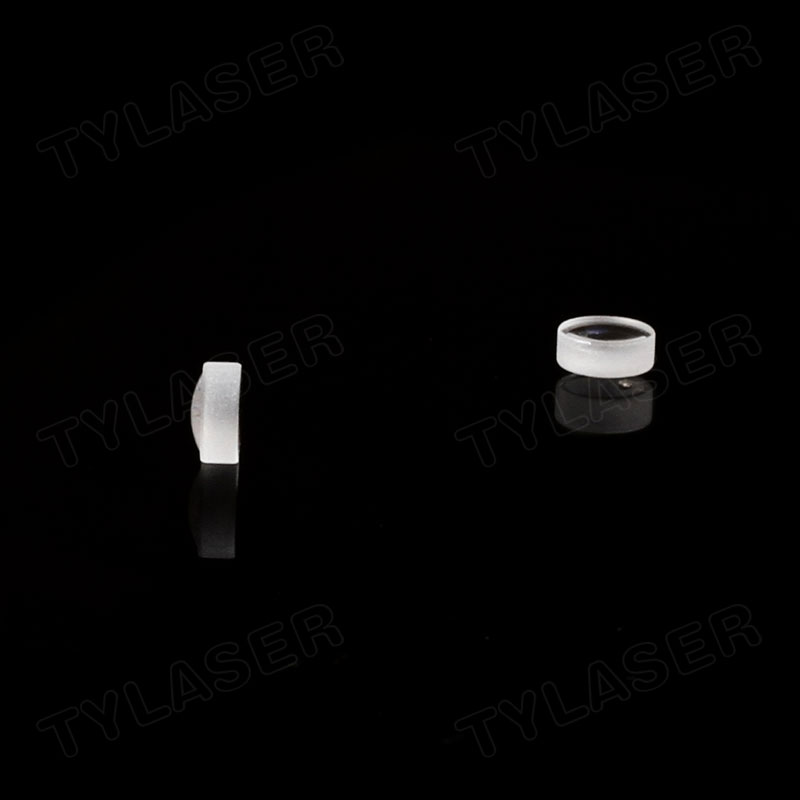 1.5–10.5mm, NA 0.15–0.64, high transmission, low aberration, ideal for laser diode collimationThis high-performance Aspheric Collimator Lens series is engineered for precision laser diode collimation, delivering high transmission and low aberration across a broad range of optical specifications. Designed to maximize beam quality and system efficiency, these lenses offer a versatile solution for demanding photonic applications.
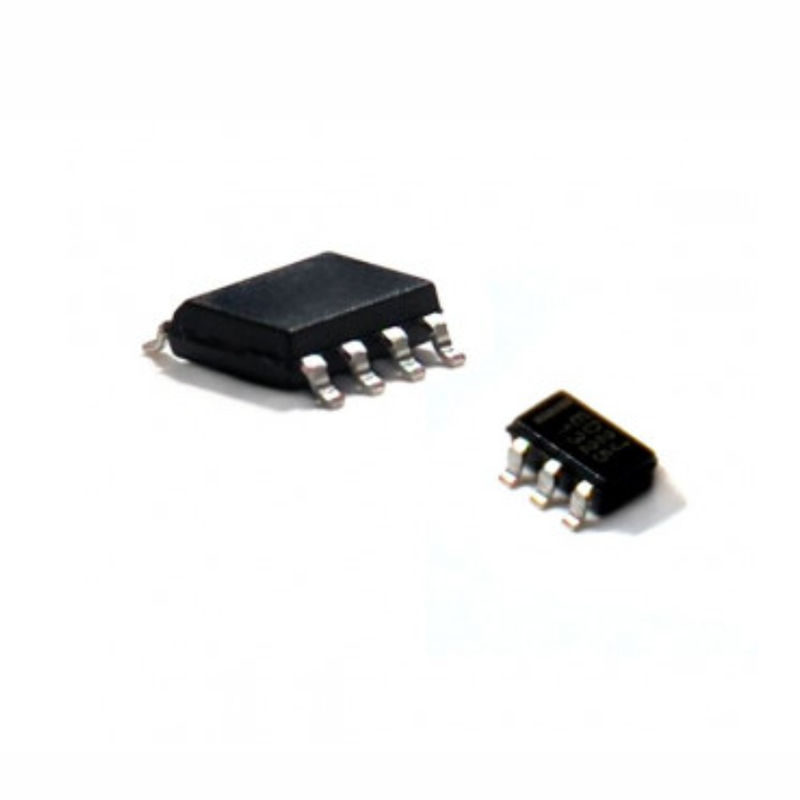 High precision, efficient, with protection features, ideal for portable laser devices.This high-precision Laser Driver IC series delivers programmable, efficient current control for portable and industrial laser diode applications, integrating essential protection features such as thermal shutdown, soft-start, and reverse polarity protection. Designed for both common cathode and common anode configurations, these drivers support APC and ACC operating modes with expandable current capabilities via external power transistors.
